Seoul Travel Guide 2026: Everything You Need to Know
The complete Seoul travel guide covering neighborhoods, transport, food, costs, and insider tips for first-time and returning visitors to South Korea's capital.
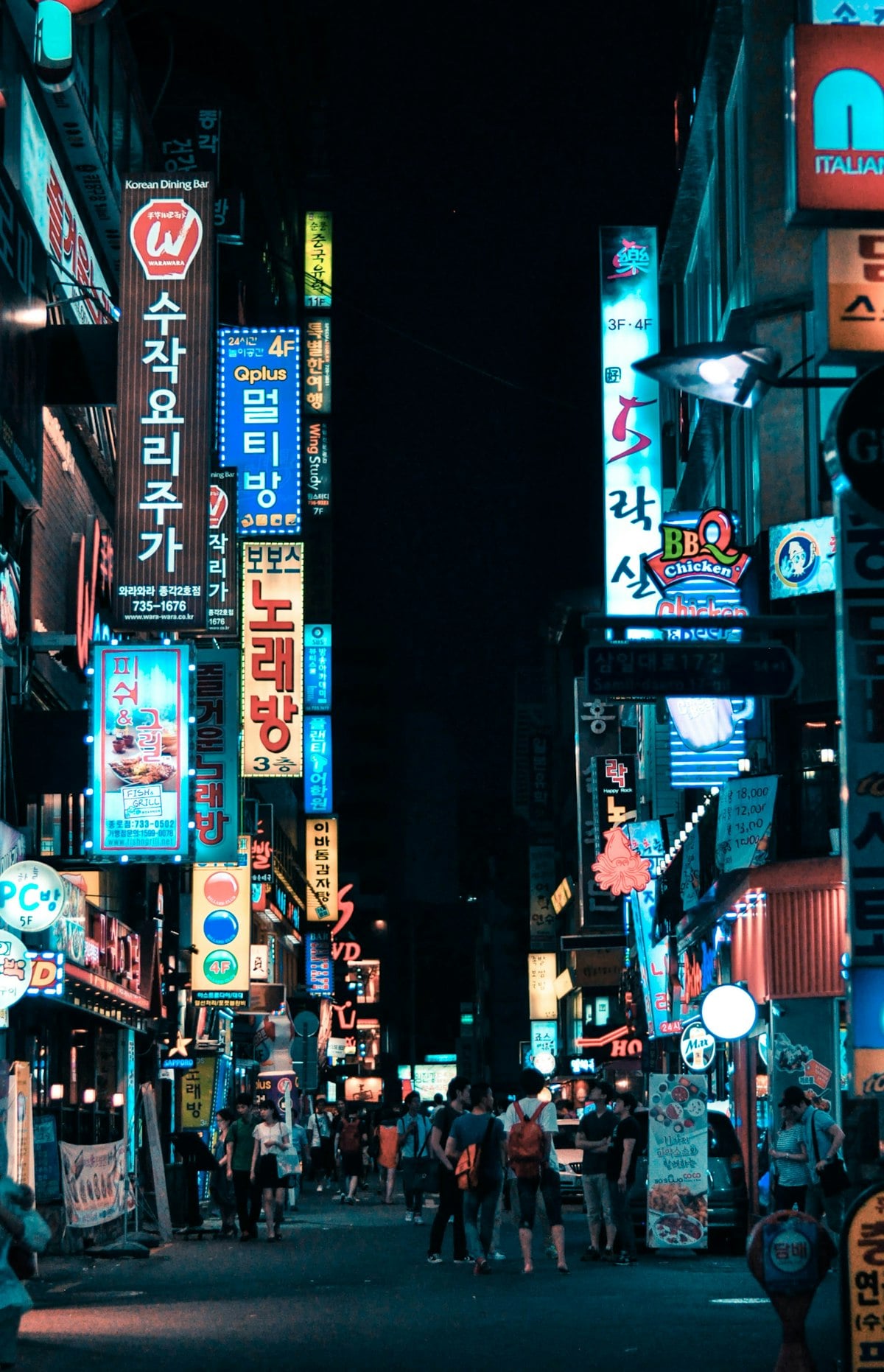
Seoul is one of the most dynamic cities on the planet — and one of the best travel destinations in Asia. Ancient palaces sit minutes from glass skyscrapers. Street food stalls line alleys below Michelin-starred restaurants. A city of 10 million that somehow feels both electrifying and deeply livable. Whether it's your first visit or your fifth, Seoul has a way of showing you something new.
This guide covers everything you need to plan a great Seoul trip in 2026 — which neighborhoods to base yourself in, how to get around, what to eat, where to stay, and the things most guidebooks skip.
Quick Facts
| Country | South Korea |
| Time Zone | KST (UTC+9) |
| Currency | Korean Won (KRW) — ₩1,000 ≈ $0.75 |
| Language | Korean (English works fine in tourist areas) |
| Best Time | Spring (April–May) or Autumn (Sept–Nov) |
| Visa / K-ETA | K-ETA requirements depend on nationality and travel circumstances. The existing temporary exemption for eligible countries and regions runs through December 31, 2026 (KST); it does not cover every nationality. Check the official site for your passport and travel date. Processing time and approval are not guaranteed. |
Getting to Seoul
Incheon International Airport (ICN)
Consistently ranked among the world's best airports, Incheon is 60–90 minutes from the city:
- AREX: The AREX Express takes about 43 minutes between Terminal 1 and Seoul Station, or 51 minutes for Terminal 2. Checked October 16, 2026, the operator displays an adult price of ₩13,000 alongside separate normal fares of ₩18,500 (T1) and ₩19,100 (T2). Check your date, station, discounts and seat availability; all-stop trains and buses have separate fares and schedules.
- AREX all-stop trains: Serve intermediate stations. Check the operator for the fare and travel time for your origin and destination.
- Airport Limousine Bus: 60–90 minutes, ₩16,000–18,000 — drops at major hotels
- Taxi: 65–90 minutes, ₩60,000–80,000 to central Seoul
Recommendation: AREX Express Train + top up a T-Money card at the airport. You'll use the card for the entire trip.
AREX Airport Express Voucher
Reserved-seat express trains connect Incheon terminals with Seoul Station. Check the current fare and boarding rules before buying.
Book on Klook →Gimpo Airport (GMP)
Domestic flights and select routes from Japan and China. Seoul Subway Lines 5 and 9 connect Gimpo to the city center in 30–40 minutes.
Getting Around Seoul
The Seoul metropolitan rail network includes multiple city and suburban lines. Check a current map for your line, interchange and station exit.
- Tmoney: The card purchase price and loaded travel balance are separate. Do not treat the card price as a refundable deposit; check the applicable balance refund rules.
- Subway fares: Adult transit-card base fare is ₩1,550 for the first 10 km; a single-journey ticket fare is ₩1,650. Distance and line surcharges may apply.
- Navigation: Use Naver Map or Kakao Map — far more accurate than Google Maps for Seoul transit
Taxis are affordable and plentiful. Use Kakao T (Seoul's Uber equivalent) — accepts international cards, offers a full English interface, eliminates language barriers.
Full guide: Seoul transportation guide
Best Neighborhoods in Seoul
Myeongdong
Seoul's commercial and tourist heart. K-beauty shops, street food stalls, department stores, and international brands compressed into a few walkable blocks. Loud, crowded, and unavoidable. Best visited in the evening when street food carts appear.
Hongdae
The youth and arts district around Hongik University. Street performers, indie music venues, trendy cafés, vintage shops, and the city's best late-night samgyeopsal restaurants. Energy peaks Friday and Saturday nights.
Insadong
Traditional crafts, tea houses, art galleries, and Buddhist temples in narrow alleyways. One of the most authentically Korean neighborhoods in central Seoul.. Best for morning walks and a slow tea house breakfast.
Bukchon Hanok Village
A preserved neighborhood of traditional Korean houses (hanok) on the hill between two palaces. Genuinely stunning at 8am before tourist crowds arrive. Set your alarm.
Itaewon / Noksapyeong
Seoul's most international neighborhood. Every cuisine on earth, diverse nightlife, and the city's most walkable bar scene. The area around Noksapyeong Station (south of the main Itaewon strip) is more local and far less crowded.
Gangnam
The wealthy south-bank district. Luxury shopping on Apgujeong Rodeo Street, upscale restaurants, K-pop entertainment companies (SM and YG are both nearby), and the massive Coex Mall underground city. More polished and expensive than anywhere north of the river.
Seongsu
Seoul's fastest-changing neighborhood — the "Brooklyn of Seoul." Industrial buildings converted into specialty coffee shops, concept stores, and gallery spaces. The most Instagrammable area in the city right now.
Top Things to Do in Seoul
Gyeongbokgung Palace
The grandest of Seoul's five royal palaces, built in 1395 and restored after Japanese colonial destruction. The changing of the royal guard happens at 10am and 2pm daily. Rent a hanbok (traditional dress) near the entrance for free admission.
Gyeongbokgung Palace & Hanok Village Tour
From ₩45,000
Guided tour of Gyeongbokgung Palace, Bukchon Hanok Village, and Gwangjang Market with an English-speaking guide — perfect for first-timers.
Book on Klook →Han River Parks (Hangang)
The 11km park network along the Han River is where Seoul breathes. Cycling, picnicking, and late-evening convenience store fried chicken with beer at sunset — this is real Seoul life. Rent bikes near Yeouido or Ttukseom stations.
N Seoul Tower
Seoul's communication tower on Namsan Mountain offers 360-degree city views. Take the cable car for the easiest ascent. Best visited at sunset or after dark, when the city lights are at their best.
For the highest views in Seoul: Seoul Sky at Lotte World Tower puts you 500m above the city — the world's 5th tallest building with a glass-floor observatory and sky bridge walk.
Seoul Sky — Lotte World Tower Observatory
From ₩27,000
500m above Seoul in the world's 5th tallest skyscraper. Glass-floor deck, sky bridge walk, and 360° views that extend to the horizon on clear days.
Book on Klook →Gyeongdong Market
The largest traditional medicine and herb market in Korea — a genuine maze of dried roots, mushrooms, mysterious seeds, and medicinal teas. One of the most atmospheric markets in Asia and almost entirely tourist-free.
DMZ Day Trip
One of the most powerful day trips available anywhere in the world. The Demilitarized Zone between North and South Korea is 1 hour from central Seoul. See the Joint Security Area, understand the geopolitical reality that defines daily Korean life, and return to Seoul for dinner.
Full day trip guide: Best day trips from Seoul
What to Eat in Seoul
Seoul is a world-class food city and one of the best places to experience Korean cuisine. You will eat well here regardless of budget.
Essential list:
- Korean BBQ: Samgyeopsal (pork belly) or galbi (short ribs) grilled at your table — the social meal of Korea
- Bibimbap: Rice, seasoned vegetables, fried egg, gochujang. Mix everything together before eating
- Tteokbokki: Chewy rice cakes in spicy-sweet sauce — the king of Korean street food
- Ramyeon: Korean instant noodles at a convenience store at midnight with an egg and kimchi
- Chimaek: Fried chicken + beer. Eaten at an outdoor table on a warm evening. A Korean institution
Deep dive: Best Korean foods to try · Korean street food guide
Where to Stay in Seoul
- Myeongdong / Jung-gu: Best location for first-timers — central, walkable, closest to most palaces and shopping
- Hongdae: Best for young travelers and nightlife, wide range of budget options
- Gangnam: Best for business travelers or luxury seekers, more expensive
- Insadong / Bukchon: Best for cultural immersion, quietest option
Full guide: Where to stay in Seoul · Best hotels in Seoul
Klook Pass Seoul
From Multi-attraction pass
Access 30+ Seoul attractions with one pass — N Seoul Tower, Lotte World, palaces, and more. Best value for multi-attraction visitors.
Get the Pass →Seoul Travel Budget
| Category | Budget | Mid-Range | Comfort |
|---|---|---|---|
| Accommodation | ₩30K–60K/night | ₩100K–200K | ₩300K+ |
| Food | ₩20K–35K/day | ₩60K–100K | ₩150K+ |
| Transport | ₩5K–10K/day | ₩20K–30K | ₩50K+ |
| Activities | ₩10K–20K/day | ₩50K–80K | ₩150K+ |
Average comfortable daily budget: ₩80,000–120,000 including food, transit, and one paid activity.
Practical Tips
- T-Money card — get one at the airport. Use on subway, bus, and most convenience stores
- Naver Map — download before landing. Better than Google Maps for Seoul transit directions
- Kakao T — Seoul's ride-hail app. Works with international cards, English interface
- Papago — Korean translation app, more accurate than Google Translate for Korean text
- Dress for cold winters — Seoul winters are colder than most visitors expect. Below freezing with sharp wind from November through February
- Pharmacies (약국) — excellent selection of genuine K-beauty skincare and medicine at drugstore prices
- Olive Young (올리브영) — Korea’s most popular beauty store. Find skincare, cosmetics, and travel essentials. Browse products in English: https://global.oliveyoung.com
- Convenience stores (CU, GS25) — genuinely good food, cheap beer, and ATMs that reliably accept foreign cards
When to Visit Seoul
| Season | Highlights | Crowds |
|---|---|---|
| Spring (Mar–May) | Cherry blossoms, mild weather | High — book early |
| Summer (Jun–Aug) | Festivals, nightlife | High, hot, humid |
| Autumn (Sep–Nov) | Foliage, best weather overall | Moderate |
| Winter (Dec–Feb) | Skiing nearby, Christmas lights | Low — best prices |
Best overall: Late September to early November — perfect weather for walking and hiking, beautiful foliage, and lower hotel prices than spring.
Conclusion
Seoul rewards travelers who slow down and explore beyond the main sights. The best experiences often happen in the gaps between the sights — a side alley in Jongno leading to a 40-year-old tofu restaurant, a hand-painted shop sign in Insadong, a rooftop in Seongsu where half of young Seoul seems to gather at 9pm.
Plan your base. Get a T-Money card. Download Naver Map. Then let the city take you somewhere unexpected.
For a ready-made day plan, see our 7-day Seoul itinerary and our Seoul transportation guide to navigate the city with confidence.
Official Sources and Fact Checks
Entry, transport and purchasing conditions above were checked on October 16, 2026. Check the linked operator for changes and exceptions for your travel date.
Found this helpful?
Help others discover this guide
Frequently Asked Questions
When is the best time to visit Seoul?
Do I need a visa to visit South Korea?
Is Seoul safe for solo travelers?
What currency does South Korea use?
How do I get from Incheon Airport to Seoul?
Was this guide helpful?
No ratings yet — be the first!
Related Guides
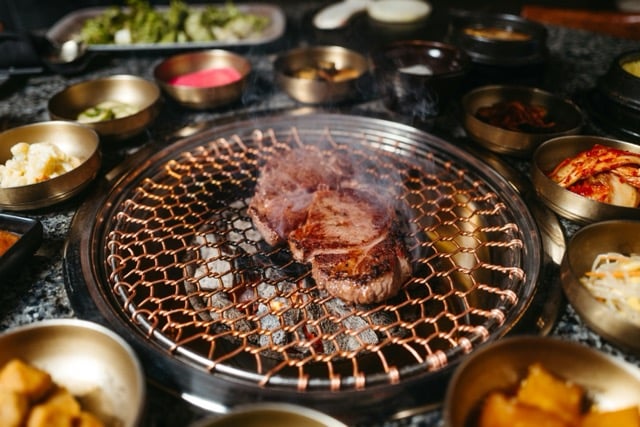
Best Korean BBQ in Seoul: 10 Local Spots You Can't Miss
Discover the best Korean BBQ restaurants in Seoul, from budget-friendly spots to premium choices. Insider tips from locals on where to eat KBBQ in 2026.
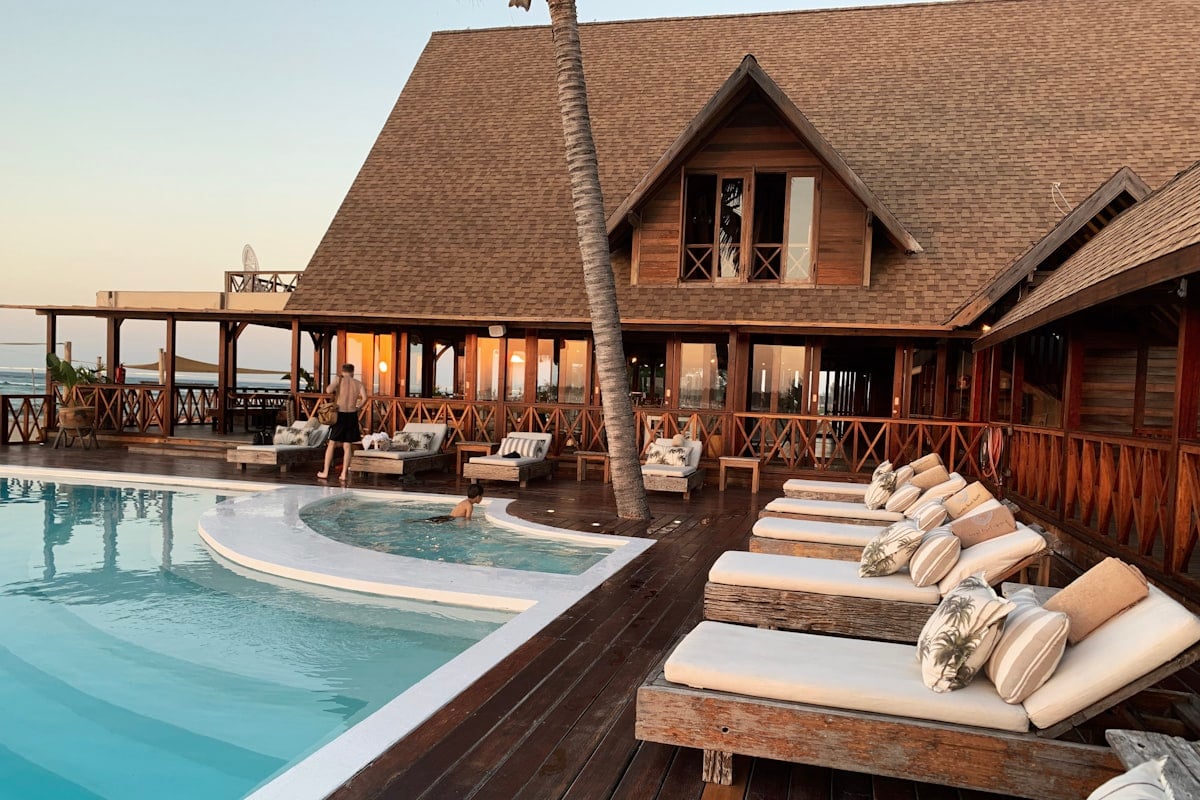
Best Hotels in Seoul 2026: From Budget to Luxury Picks
Find the perfect Seoul hotel for every budget. Top picks for Myeongdong, Hongdae, Gangnam, and Insadong — reviewed for location, value, and comfort in 2026.
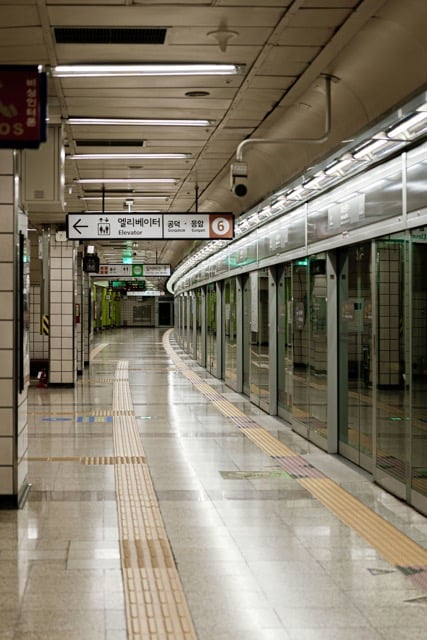
Seoul Transportation Guide: Subway, Bus, Taxi & T-Money Card
Navigate Seoul like a local with this complete 2026 guide to the subway, bus, taxi, T-Money card setup, and getting from Incheon Airport into the city.
Jeju Island Travel Guide 2026: Everything You Need to Know
Plan the perfect trip to Jeju Island with this complete 2026 guide — top attractions, best beaches, Hallasan hiking, haenyeo culture, where to stay & eat.

Where to Stay in Seoul: Best Neighborhoods Explained (2026)
Myeongdong, Hongdae, Gangnam, or Insadong? This complete guide breaks down the best areas to stay in Seoul so you can pick the perfect base for your 2026 trip.

Seoul Trip Cost 2026: Complete Honest Budget Guide
Planning a Seoul trip? Discover the real cost of visiting Seoul in 2026 — from budget to luxury. Hotels, food, transport & activities fully covered.