Korean Etiquette for Tourists: Do's and Don'ts in Korea
Korean etiquette for tourists 2026 — how to bow, dining customs, tipping rules, shoe removal, public behavior, and cultural dos and don'ts explained.
Quick Etiquette Summary
- Bow slightly when greeting — no handshake unless the other person offers first
- Use two hands when giving or receiving anything from someone older
- Do not tip — tipping is not part of Korean culture and causes confusion
- Remove shoes when entering a home or traditional restaurant (look for the raised step)
- Stay quiet on public transport — Korean subway culture is noticeably silent
- Respect age hierarchy — give up priority seating immediately, wait for elders to eat first
Understanding a few basic cultural customs can transform your experience in Korea. Koreans are generally forgiving of tourist mistakes, but making the effort to learn and respect local customs earns genuine appreciation.
If you're looking for Korean etiquette for tourists, cultural do's and don'ts in Korea, or how to behave properly as a visitor, this guide covers everything — from bowing and dining to public transport and one warning most travel guides miss entirely.
The Foundation: Confucian Values
Korean culture is deeply shaped by Confucian principles emphasising respect for elders, hierarchy, harmony, and community. Many of the customs below flow directly from these values.
Understanding this foundation helps the "rules" make intuitive sense rather than feel like arbitrary requirements.
💡 Practical tip: When in doubt about the right behavior, simply follow what locals around you are doing. Korean social norms are highly consistent.
Summary: Most Korean etiquette stems from Confucian values — respect for elders, hierarchy, and group harmony. Understanding this makes everything else click.
Greetings and Bowing
The bow: Koreans greet with a bow, not a handshake (though handshakes with Westerners are increasingly common). A small bow of 15–20 degrees is appropriate for most encounters with shopkeepers, restaurant staff, and casual acquaintances.
- Slight bow (15°): Everyday greetings with shopkeepers, service staff
- Moderate bow (30°): More formal or respectful situations
- Deep bow (45°+): Very formal contexts or expressing deep gratitude
What to do: Return bows when someone bows to you. Even a small nod in response to a service worker's bow is appreciated.
What not to do: Avoid initiating a handshake unless the other person offers one first.
💡 Practical tip: You don't need to perfect the bow angle. Even a small, genuine nod of acknowledgment communicates respect effectively.
Summary: Bow slightly when greeting. Return any bow directed at you. Follow the other person's lead on handshakes — especially in business contexts.
Dining Etiquette
Korean dining has specific customs that differ significantly from Western norms.
Wait for elders to be seated and begin eating first. In any group meal, the eldest person at the table is served first and begins eating first. Waiting for this before starting your own meal is a sign of respect.
Two-handed giving and receiving. When receiving a dish, drink, or any item from someone older or in a position of respect, use both hands or support your right forearm with your left hand. This applies to receiving business cards, gifts, and payments too.
Pouring drinks. Do not pour your own drink at the table. Pour for others, and they will pour for you. Leaving someone's glass empty without refilling it can seem inattentive.
Shared dishes. Most Korean meals involve shared dishes at the centre of the table. Use the opposite end of your chopsticks (or dedicated serving chopsticks if provided) when taking food from shared plates.
Do not stick chopsticks upright in rice. This resembles incense sticks at a funeral and is considered very bad luck. Place chopsticks flat on the chopstick rest or on the edge of your bowl.
Say "jal meogessseumnida" before eating — it loosely translates to "I will eat well" and is a polite phrase said before a meal. Saying "massisseosseumnida" (it was delicious) after eating is also appreciated.
💡 Practical tip: The two-handed rule is the single most impactful etiquette habit you can build. It applies to everything — receiving dishes, drinks, business cards, and change. Koreans notice and appreciate it immediately.
Summary: Wait for elders to eat first. Pour drinks for others. Use two hands when receiving anything. Never stab chopsticks upright in rice.
Tipping Culture
Do not tip in Korea. Korea does not have a tipping culture. Leaving money behind after a restaurant meal can cause confusion — staff may run after you thinking you forgot your change. This applies to restaurants, cafes, taxis, and most service contexts.
A sincere verbal thanks or a genuine "gamsahamnida" goes much further than a tip.
Summary: Tipping is not expected and can cause genuine confusion. A sincere thank-you is the right currency in Korea.
Removing Shoes
When you see a step up at the entrance of a restaurant, traditional home, or certain accommodation, this is a signal to remove your shoes. Stepping into someone's home or a traditional restaurant with shoes on is a significant cultural breach.
How to recognise it:
- A raised step at the entrance
- A row of shoes near the entrance
- Slippers provided near the door
💡 Practical tip: When entering any Korean space, glance at the floor by the door. If you see shoes arranged neatly, take yours off.
Summary: Remove shoes wherever there is a raised step at the entrance. When in doubt, look at what others do when entering.
Age and Hierarchy
Korea has a strong age-based hierarchy system. Age determines how you speak to someone and how you behave around them.
For tourists:
- Address older Koreans respectfully — if uncertain, err on the side of more formal behavior
- On public transit, give up your seat to elderly people immediately — this is expected and admired
- Priority seating on subways (marked in pink) is reserved for elderly passengers, pregnant women, and those with disabilities. Do not use it if you do not need it.
Summary: Respect for elders is one of the most visible and deeply held values in Korean culture. Small gestures — giving up a seat, waiting for elders to eat first — are noticed and genuinely appreciated.
Public Behavior
Keep noise levels down on public transit. Korean subway culture is notably quiet. Talking loudly on the phone, playing music without headphones, and rowdy behavior are considered rude.
Queue properly. Koreans queue patiently and orderly. Cutting in line is deeply frowned upon.
Avoid eating on the subway. While not technically prohibited, eating on the subway is considered bad manners.
Public displays of affection: Holding hands and light affection are fine. Very demonstrative PDA is not the norm in public and can attract disapproving looks from older Koreans.
💡 Practical tip: If you are unsure about volume on the subway, watch how quiet the carriage is. Matching the ambient noise level is always the right call.
Summary: Korean public spaces, especially subways, are quiet and orderly. Low noise, patient queuing, and no eating on transit are the key behaviors to follow.
Business Card Etiquette
If you receive a business card (meongham) in Korea:
- Receive it with both hands
- Take a moment to look at it respectfully
- Do not immediately put it in your pocket or write on it
- Place it on the table in front of you during the meeting
Summary: Business cards are treated with the same respect as the person giving them. Receive with two hands and read it before putting it away.
Photography Etiquette
- Always ask before photographing individuals, especially elderly people in traditional dress
- Palaces and temples: Photography is usually permitted in grounds. Check for signs inside specific buildings.
- Restaurants: Photographing your food is completely normal and expected — most restaurants are fully accustomed to it.
Summary: Ask before photographing people. Food photography at restaurants is entirely normal and expected.
Recycling and Waste
Korea has a strict recycling system. Waste is separated into general waste, recyclables, food waste, and large items. Restaurants handle their own waste separation — follow what you see others doing.
Littering is uncommon and frowned upon. Public bins are available throughout the city.
How Korean Culture Differs from Western Norms
Many etiquette guides focus on what Korea shares with other Asian cultures. Some of the most useful tips are about behaviors that Westerners assume are universal — and which Korea simply does not follow.
Door Holding: In most Western countries, holding a door open for the person behind you is standard courtesy. In Korea, this is not a common practice. Do not be offended if no one holds the door — it is not rudeness, just a different norm.
No "Bless You": Sneezing goes unacknowledged in Korea. There is no Korean equivalent of "bless you." If you sneeze in a public space, no one will respond — and that is completely normal.
Bump and Go: In crowded Seoul streets and subway stations, light physical contact is common and not typically acknowledged with "sorry" or eye contact. This reflects high population density, not intentional rudeness.
Appearance Comments: Koreans may comment directly on your appearance — your weight, height, skin, or facial features. Remarks like "you have such a small face!" are meant as compliments or neutral observations. This is cultural openness, not an insult.
Eye Contact: Keep eye contact brief and natural. Sustained, unbroken eye contact — particularly with elders — can feel aggressive or disrespectful in Korean social contexts.
Elevator Solo: In elevators, Koreans typically do not press floor buttons for others. Everyone handles their own floor selection.
Summary: Korean social norms differ from Western ones in specific, non-obvious ways. None of these are signs of rudeness — they are simply different defaults.
Hanbok Rental with Korean Hairstyling at Hanboknam Gyeongbokgung
From ₩30,000
Dress up in traditional Korean hanbok and get styled near Gyeongbokgung Palace. Perfect for photos.
Book on Klook →⚠️ Stranger Danger: The Cult Approach
This is a genuinely important warning for Seoul tourists, particularly around major tourist areas, Hongdae, and Myeongdong.
Be cautious if a friendly stranger approaches you for "language practice" or "cultural exchange" — especially if they quickly suggest moving to a nearby cafe, gallery, or private venue. This is a known tactic used by certain cult recruitment groups operating in Seoul.
The approach is friendly, often in good English, and may involve flattery about your appearance or nationality. The goal is to get you into a private space where a more intense recruitment pitch begins.
Red flags:
- Unsolicited approach from a stranger asking for "language exchange"
- Invitation to a nearby location after only minutes of conversation
- Questions about your beliefs, spirituality, or life purpose
- Requests for your contact information early in the conversation
What to do: Politely decline and walk away. This is well-documented in the r/koreatravel community and does not reflect on Koreans broadly — the vast majority of Korean people are genuinely kind and helpful.
Summary: Friendly strangers in tourist areas approaching for "language exchange" and then suggesting a nearby venue are a known hazard. Politely decline and move on.
Conclusion
Korean etiquette is not difficult to learn and Koreans are genuinely appreciative of tourists who make the effort. A slight bow, a two-handed thank-you, and not tipping will immediately mark you as a culturally aware and respectful visitor.
The single most impactful thing you can do: use two hands whenever you give or receive anything. It costs nothing and communicates more respect than almost any other gesture.
For the most common tourist missteps that go beyond etiquette, see our Seoul Travel Mistakes Guide. For safety information including pedestrian rules, check Is Seoul Safe for Tourists?. And to communicate more effectively with locals, our Korean Phrases for Tourists guide covers the essential words.
Found this helpful?
Help others discover this guide
Frequently Asked Questions
Do I need to bow in Korea?
Do you tip in South Korea?
Is it rude to eat while walking in Korea?
What should you not do in South Korea?
Do Koreans like when tourists try to speak Korean?
Was this guide helpful?
No ratings yet — be the first!
Related Guides

20 Seoul Travel Mistakes That Will Ruin Your Trip (And How to Avoid Them)
Avoid the most common Seoul travel mistakes. From transport blunders to cultural faux pas — what first-time visitors often get wrong and how to fix it.
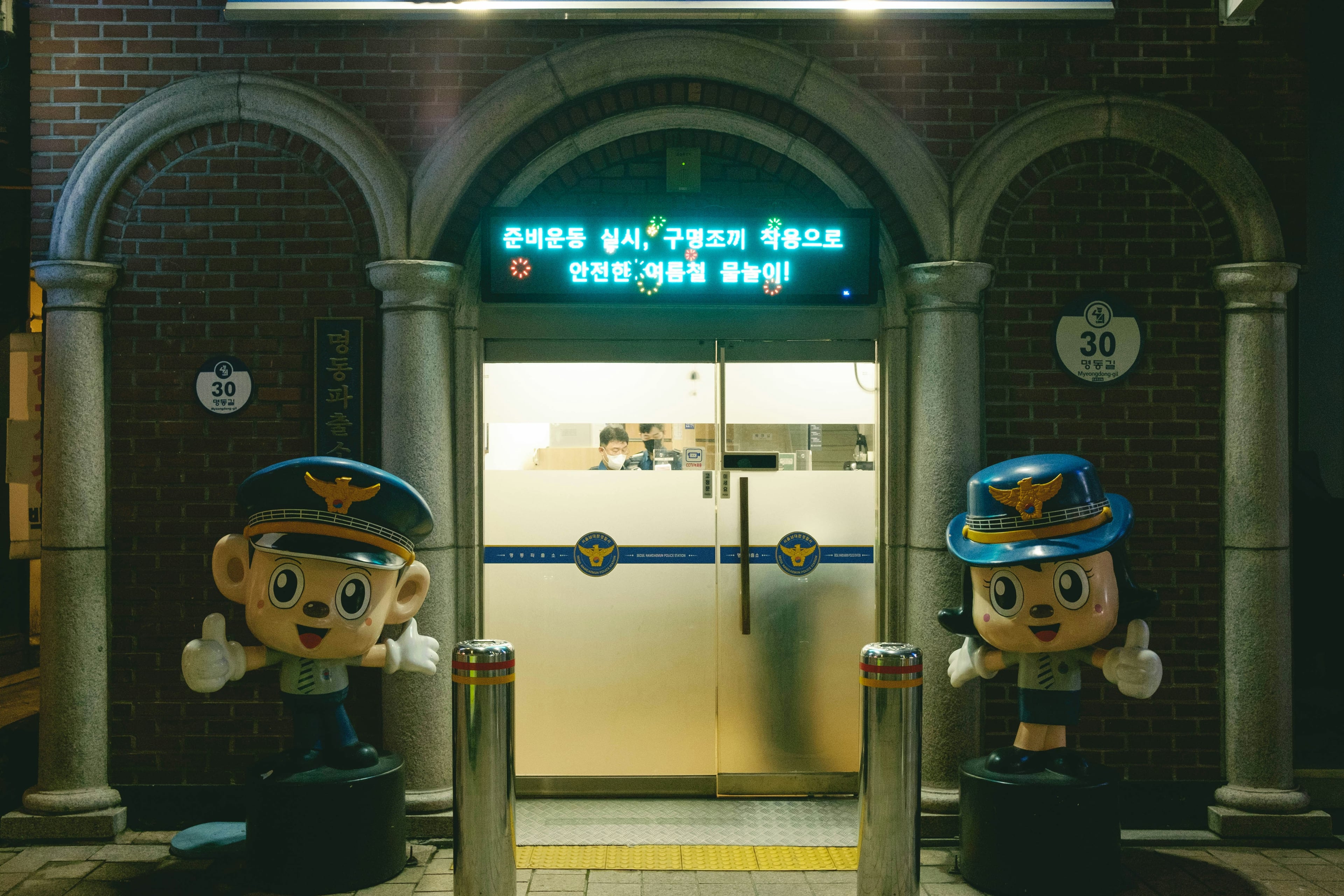
Is Seoul Safe for Tourists? 2026 Safety Guide for Visitors
Is Seoul safe for tourists? Yes — covers crime rates, night safety, solo female travel, road crossing hazards, and emergency contacts for 2026 visitors.
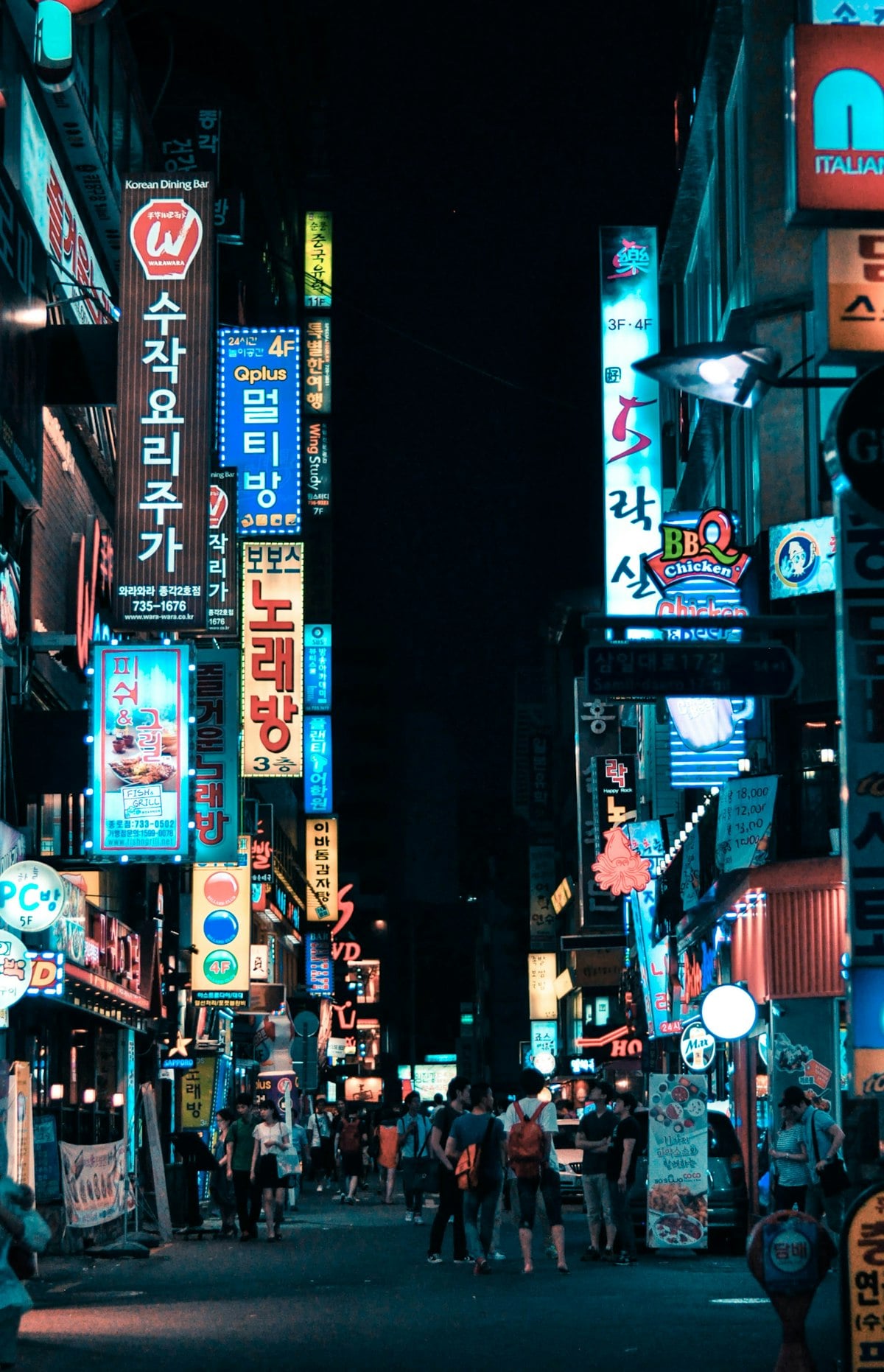
Seoul Travel Guide 2026: Everything You Need to Know
The complete Seoul travel guide covering neighborhoods, transport, food, costs, and insider tips for first-time and returning visitors to South Korea's capital.
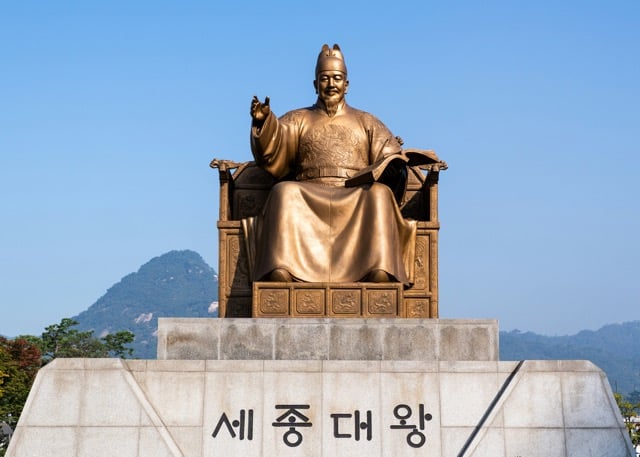
Useful Korean Phrases for Tourists: Pronunciation Guide (2026)
Essential Korean phrases for tourists with pronunciation guide — greetings, directions, restaurant ordering, and shopping phrases that actually work in Korea.
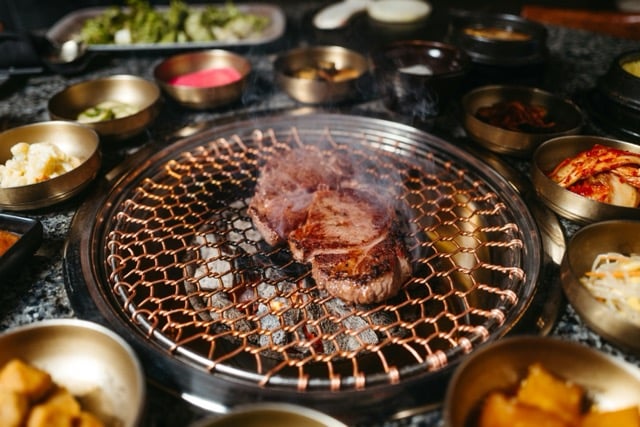
Best Korean BBQ in Seoul: 10 Local Spots You Can't Miss
Discover the best Korean BBQ restaurants in Seoul, from budget-friendly spots to premium choices. Insider tips from locals on where to eat KBBQ in 2026.
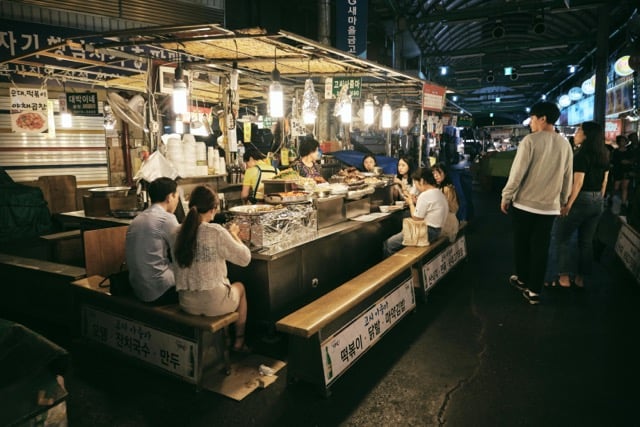
10 Must-Try Korean Street Foods in Seoul (2026 Guide)
Your complete guide to Korean street food in Seoul. What to eat, where to find it, how much it costs, and which stalls are actually worth queuing for.