Useful Korean Phrases for Tourists: Pronunciation Guide (2026)
Essential Korean phrases for tourists with pronunciation guide — greetings, directions, restaurant ordering, and shopping phrases that actually work in Korea.
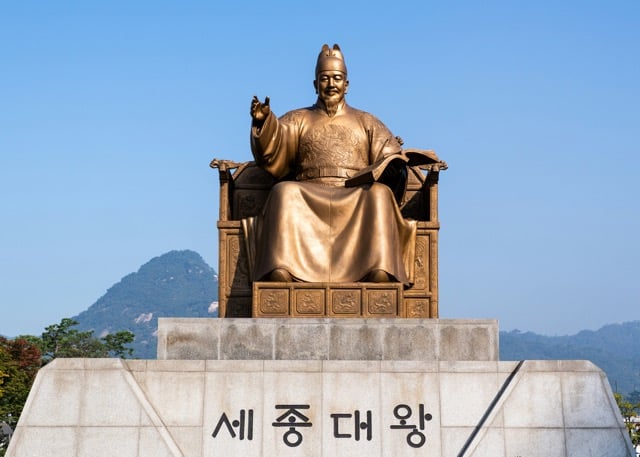
You do not need to learn Korean to visit Korea — but knowing a handful of key phrases will meaningfully improve your experience. Locals genuinely appreciate any effort, even a simple "thank you" in Korean gets a warm response. This guide gives you the most practical phrases with phonetic pronunciation that actually works for English speakers.
📌 Save this guide before your Korea trip — these phrases come up in real situations every single day.
Not sure where to start planning? Our Seoul travel guide covers neighbourhoods, transportation, and everything first-time visitors need to know.
Note on romanization: The pronunciations below are written for English-speaking tourists, not for serious Korean learners. They are intentionally simplified to sound natural when spoken by someone with no Korean background. The r/koreatravel community has tested these and found they work well in practice.
Basic Expressions
These are the five phrases to memorize before anything else.
| Korean | Romanization | Pronunciation | Meaning |
|---|---|---|---|
| 안녕하세요 | Annyeonghaseyo | Ahn-young-ha-say-yo | Hello |
| 감사합니다 | Gamsahamnida | Gum-sa-ham-knee-da | Thank you (formal) |
| 죄송합니다 | Joesonghamnida | Jay-song-ham-knee-da | Sorry / Excuse me |
| 얼마예요? | Eolmayeyo? | Earl-ma-yeah-yo? | How much is it? |
| 화장실 어디예요? | Hwajangsil eodiyeyo? | Hwa-jong-shil o-dee-yeah-yo? | Where is the bathroom? |
Practice tip: Say each phrase slightly faster than feels natural to you. Korean speech tends to flow more quickly than English, and over-deliberate pronunciation can actually be harder to understand.
Travel-Specific Phrases
These phrases handle the situations you will actually encounter on the ground.
| Korean | Romanization | Pronunciation | Meaning |
|---|---|---|---|
| 도와주세요 | Dowajuseyo | Doe-wa-ju-say-yo | Please help me |
| 영어 하세요? | Yeongeo haseyo? | Young-o-ha-say-yo? | Do you speak English? |
| 이것 주세요 | Igeo juseyo | Ee-go-ju-say-yo | Please give me this |
| 저기요! | Jeogiyo! | Jeo-gi-yo! | Excuse me! (to call a server) |
| 계산해 주세요 | Gyesanhaejuseyo | Gye-san-hay-ju-say-yo | The bill, please |
| 맛있어요! | Masisseoyo! | Ma-shee-ssuh-yo! | It is delicious! |
| 괜찮아요 | Gwaenchanayo | Gwen-cha-na-yo | It is okay / No problem |
Why "저기요!" Matters
This phrase — "jeo-gi-yo" — is essential for restaurants. In Korean dining culture, servers do not hover or check in frequently. You call them when you need them. Say "저기요!" loudly and clearly, or press the call button on the table. This is perfectly polite and expected.
Restaurant Phrases
| Korean | Romanization | Pronunciation | Meaning |
|---|---|---|---|
| 잘 먹겠습니다 | Jal meokgesseumnida | Jal mok-gess-sum-knee-da | I will eat well (said before eating) |
| 잘 먹었습니다 | Jal meogeosseumnida | Jal mok-uh-sum-knee-da | I ate well (said after eating) |
| 맵지 않게 해주세요 | Maepji ank-e haejuseyo | Map-ji ank-ay hay-ju-say-yo | Please make it not spicy |
| 하나 더 주세요 | Hana deo juseyo | Ha-na duh ju-say-yo | One more, please |
| 물 주세요 | Mul juseyo | Mul ju-say-yo | Water, please |
| 포장해 주세요 | Pojanghaejuseyo | Po-jang-hay-ju-say-yo | Please pack it (takeaway) |
Jal meokgesseumnida is a genuine cultural touchpoint. Saying this before a meal — similar to "bon appetit" — is appreciated by Korean hosts and restaurant owners alike. It signals respect for the food and the person who prepared it.
Ready to put these phrases to use? See our best Korean BBQ spots in Seoul and Korean street food guide.
Shopping Phrases
| Korean | Romanization | Pronunciation | Meaning |
|---|---|---|---|
| 얼마예요? | Eolmayeyo? | Earl-ma-yeah-yo? | How much is it? |
| 너무 비싸요 | Neomu bissayo | Nuh-mu bee-ssa-yo | Too expensive |
| 깎아 주세요 | Kkakka juseyo | Kka-kka ju-say-yo | Please give a discount |
| 카드 돼요? | Kadeu dwaeyo? | Ka-du dwae-yo? | Do you accept card? |
| 영수증 주세요 | Yeongsujeung juseyo | Young-su-jung ju-say-yo | Receipt, please |
Note: Bargaining is appropriate at traditional markets (Namdaemun, Dongdaemun, Insadong craft vendors) but not at brand stores, convenience stores, or restaurants. "깎아 주세요" is only appropriate in market contexts.
WOWPASS: Prepaid Card for Cashless Payment in Korea
Use the prepaid shopping balance at supported merchants. The Tmoney transit balance needs a separate top-up; check current fees and supported payment methods.
Get WOWPASS →Transportation Phrases
| Korean | Romanization | Pronunciation | Meaning |
|---|---|---|---|
| ~에 가주세요 | ~e gajuseyo | ~ay ga-ju-say-yo | Please take me to ~ |
| 여기서 세워주세요 | Yeogiseo sewojuseyo | Yuh-gi-suh say-wuh-ju-say-yo | Please stop here |
| 지하철역이 어디예요? | Jihacheolyeogi eodiyeyo? | Ji-ha-chul-yuk-ee o-dee-yeah-yo? | Where is the subway station? |
| 표 어디서 사요? | Pyo eodiseo sayo? | Pyo o-dee-suh sa-yo? | Where do I buy a ticket? |
For taxis: Show your destination in Korean on your phone rather than trying to pronounce it. Google Maps or Naver Map can display the Korean address — show this to the driver to avoid misunderstandings.
5G eSIM South Korea | SKT
From ₩15,000
Stay connected from the moment you land. No physical SIM needed — activate instantly on your phone.
Shop Now →Numbers (Essential for Shopping & Transport)
| Number | Korean | Romanization |
|---|---|---|
| 1 | 일 | Il |
| 2 | 이 | Ee |
| 3 | 삼 | Sam |
| 4 | 사 | Sa |
| 5 | 오 | Oh |
| 10 | 십 | Shib |
| 100 | 백 | Baek |
| 1,000 | 천 | Chun |
| 10,000 | 만 | Man |
Key: Prices are quoted in thousands of won. "오천원" (oh-chun-won) = ₩5,000. "만원" (man-won) = ₩10,000.
Understanding Korean Place Names
Korean place name suffixes tell you what kind of place you are visiting. Knowing these helps you navigate maps and signs more intuitively.
| Suffix | Meaning | Example |
|---|---|---|
| 궁 (-gung) | Palace | 경복궁 (Gyeongbokgung) = Gyeongbok Palace |
| 사 (-sa) | Temple | 조계사 (Jogyesa) = Jogyesa Temple |
| 로 (-ro) | Road / Avenue | 테헤란로 (Teheran-ro) = Teheran Road |
| 길 (-gil) | Street / Lane | 가로수길 (Garosu-gil) = Garosu Street |
| 동 (-dong) | Neighborhood | 성수동 (Seongsu-dong) = Seongsu Neighborhood |
| 구 (-gu) | District | 강남구 (Gangnam-gu) = Gangnam District |
| 시 (-si) | City | 서울시 (Seoul-si) = Seoul City |
Emergency Phrases
| Korean | Romanization | Meaning |
|---|---|---|
| 도둑이야! | Dodugi ya! | Thief! |
| 불이야! | Buriya! | Fire! |
| 살려주세요! | Sallyeojuseyo! | Help me! (urgent) |
| 경찰을 불러주세요 | Gyeongchal-eul bulleojuseyo | Please call the police |
| 병원이 어디예요? | Byeongwon-i eodiyeyo? | Where is the hospital? |
Emergency numbers:
- Police: 112
- Fire / Medical: 119
- Tourist helpline (English, 24/7): 1330
🧳 Real Situations You Will Use These Phrases
Knowing phrases in isolation is one thing. Here is how to put them together in the actual moments you will face each day.
At the Airport / Train Station
Your first Korean interaction is likely at Incheon Airport. The phrases you need most:
- Asking for directions: "지하철역이 어디예요?" (ji-ha-chul-yuk-ee o-dee-yeah-yo) — Where is the subway station?
- Buying something at a shop: "이것 주세요" (ee-go-ju-say-yo) + point at the item
- When you need help: "도와주세요" (doe-wa-ju-say-yo)
Tip: Airport information desks have English-speaking staff. But at local convenience stores and vending machines, pointing + "이것 주세요" handles almost everything.
At a Korean Restaurant
Korean dining culture is different from Western restaurants — these phrases make the whole experience smoother:
- Get the server: "저기요!" (jeo-gi-yo) — say it clearly and confidently, it is expected
- Before eating: "잘 먹겠습니다" (jal mok-gess-sum-knee-da) — locals will smile
- Enjoying the food: "맛있어요!" (ma-shee-ssuh-yo) — earns genuine warmth every time
- Want more: "하나 더 주세요" (ha-na duh ju-say-yo)
- Ask for the bill: "계산해 주세요" (gye-san-hay-ju-say-yo)
Not sure where to eat? The best cafes in Seoul, Korean BBQ guide, and street food guide all give you specific spots to practise these phrases.
At a Traditional Market
Namdaemun, Dongdaemun, and Insadong markets are where bargaining is acceptable and expected:
- Ask the price: "얼마예요?" (earl-ma-yeah-yo)
- Express it is too much: "너무 비싸요" (nuh-mu bee-ssa-yo)
- Request a discount: "깎아 주세요" (kka-kka ju-say-yo) — polite and normal at markets
- Check card payment: "카드 돼요?" (ka-du dwae-yo)
Important: Never bargain at brand stores, restaurants, or convenience stores — traditional market stalls only.
In a Taxi
The most reliable approach: show your destination in Korean on your phone (Naver Map or Google Maps). For unavoidable conversation:
- To the driver: "[destination]에 가주세요" (~ay ga-ju-say-yo) — please take me to [destination]
- Ready to stop: "여기서 세워주세요" (yuh-gi-suh say-wuh-ju-say-yo) — please stop here
Tip: Screenshot the Korean address from Naver Map before you get in — hand your phone to the driver if pronunciation fails.
Tips for Using Korean as a Tourist
- Smile and be patient. Even if your pronunciation is off, the effort is always appreciated.
- Use Papago for anything complex. Type it, show the screen, or use camera translation — it works.
- Point and gesture freely. Pointing at a menu item while saying "이것 주세요" (this one, please) is perfectly natural.
- Do not worry about tones. Unlike Chinese, Korean is not tonal — mispronounced words are usually still understood from context.
- Learn the Hangul alphabet if possible. Hangul takes only a few hours to learn and makes navigating menus, signs, and maps dramatically easier — even if you do not understand the words.
Conclusion
You do not need fluency to travel Korea comfortably — but these phrases will open doors that English alone cannot. A "감사합니다" when leaving a convenience store, a "맛있어요!" to a street food vendor, or a confident "저기요!" in a restaurant all create genuine moments of connection that make the trip richer.
📌 Bookmark this page and pull it up whenever you need a phrase on the go.
Continue planning your Korea trip:
Where to eat: Best Korean BBQ in Seoul · Korean Street Food Guide · Best Cafes in Seoul · Best Korean Food for First-Timers
Where to explore: Seoul Travel Guide · 7-Day Seoul Itinerary
K-pop fans: K-Pop Experience Guide · TXT Guide to Seoul · TREASURE Map in Seoul
Essential tools: Korea Travel Apps Guide · Korean Etiquette for Tourists
Found this helpful?
Help others discover this guide
Frequently Asked Questions
Do I need to learn Korean before visiting Korea?
What are the most important Korean phrases for tourists?
Is Korean hard to pronounce for English speakers?
How do I call a server in a Korean restaurant?
What does jal meokgesseumnida mean?
Was this guide helpful?
No ratings yet — be the first!
Related Guides
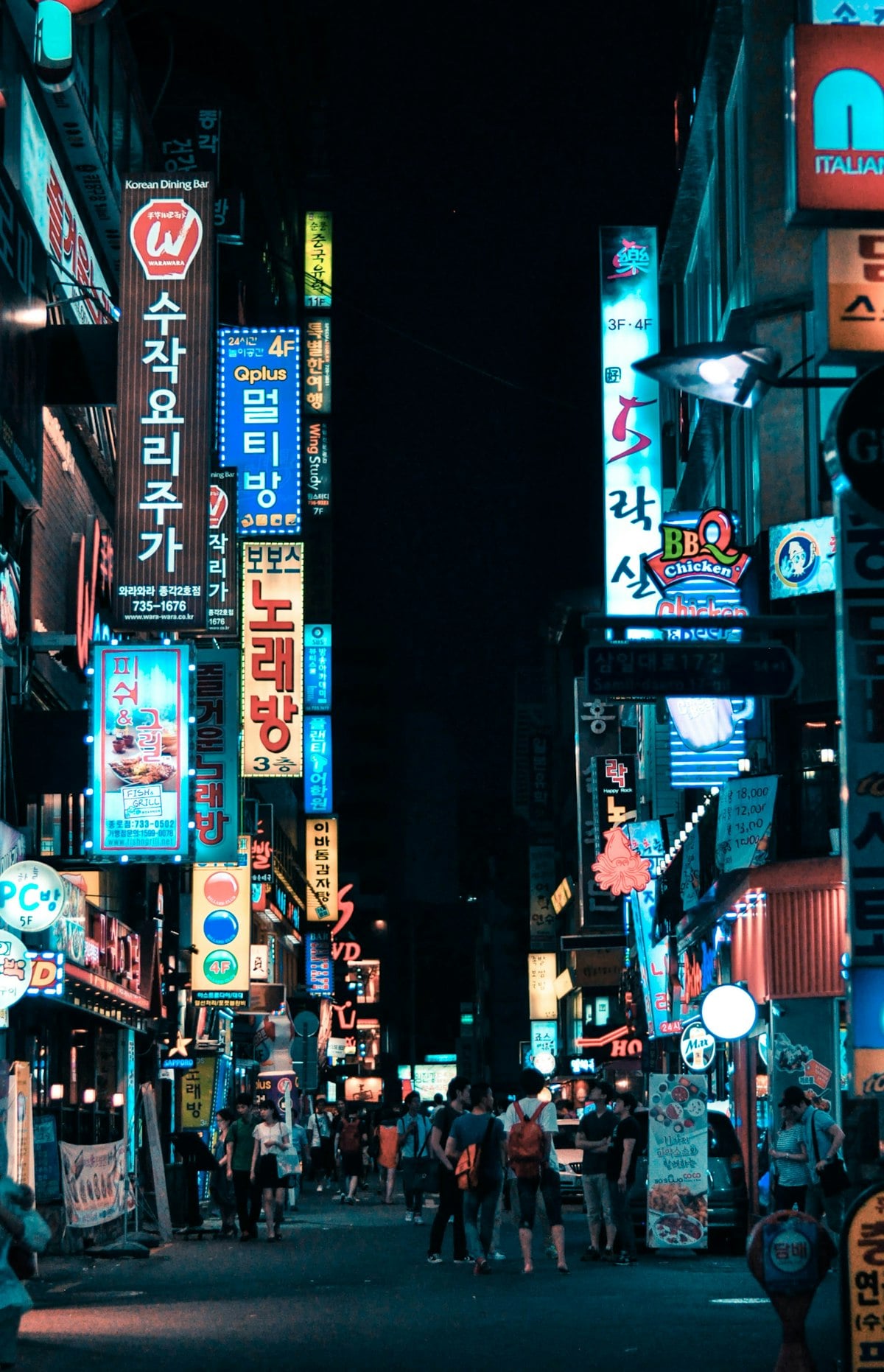
Seoul Travel Guide 2026: Everything You Need to Know
The complete Seoul travel guide covering neighborhoods, transport, food, costs, and insider tips for first-time and returning visitors to South Korea's capital.
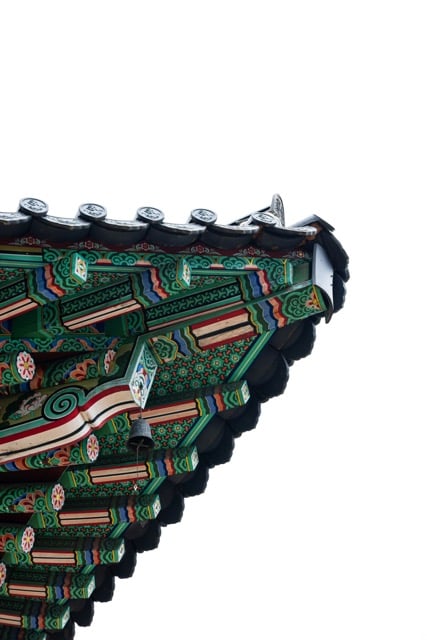
Korean Etiquette for Tourists: Do's and Don'ts in Korea
Korean etiquette for tourists 2026 — how to bow, dining customs, tipping rules, shoe removal, public behavior, and cultural dos and don'ts explained.
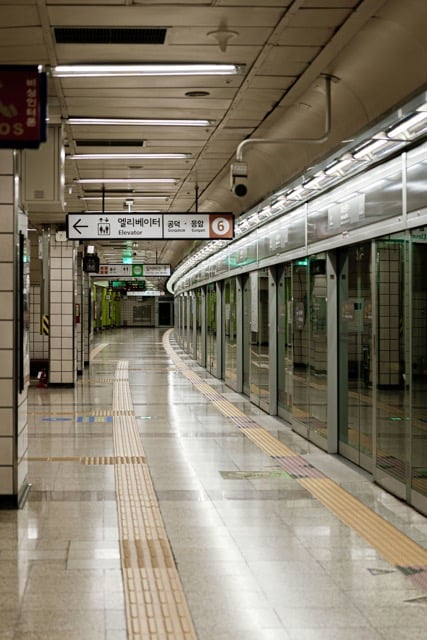
Seoul Transportation Guide: Subway, Bus, Taxi & T-Money Card
Navigate Seoul like a local with this complete 2026 guide to the subway, bus, taxi, T-Money card setup, and getting from Incheon Airport into the city.
Best Hotels in Seoul 2026: From Budget to Luxury Picks
Find the perfect Seoul hotel for every budget. Top picks for Myeongdong, Hongdae, Gangnam, and Insadong — reviewed for location, value, and comfort in 2026.